Few concepts in Indian spiritual tradition have been as widely misunderstood and misrepresented as Vashikaran. Sensationalized claims online often depict it as a mystical mechanism for forceful control over another person's free will. In authentic Vedic, Agamic, and Shakta traditions, this depiction is not only incorrect, but antithetical to dharma.
What Is True Vashikaran?
The Sanskrit root Vash signifies "to bring into harmonious alignment" or "to awaken goodwill." In classical texts such as the Atharva Veda and Agamic treatises, Vashikaran sadhana was formulated as a spiritual practice to:
- Remove negative emotional impressions (samskaras) and bitterness between estranged individuals.
- Dissolve psychological resistance, stubborn misunderstandings, and external hostility.
- Awaken natural affection, empathy, and mutual respect between spouses or family members.
The Ethical Boundary: Why Coercion Fails
Karma is an immutable cosmic law. Any ritual performed with the intent to harm, manipulate, or violate another soul's free will incurs karmic consequences and ultimately collapses. Genuine spiritual practitioners, such as Acharya Viki Joshi, only undertake consultations rooted in sattvic (pure) and benevolent intentions—aiming strictly for marital reconciliation, family unity, and mutual goodwill.
How Traditional Guidance Operates
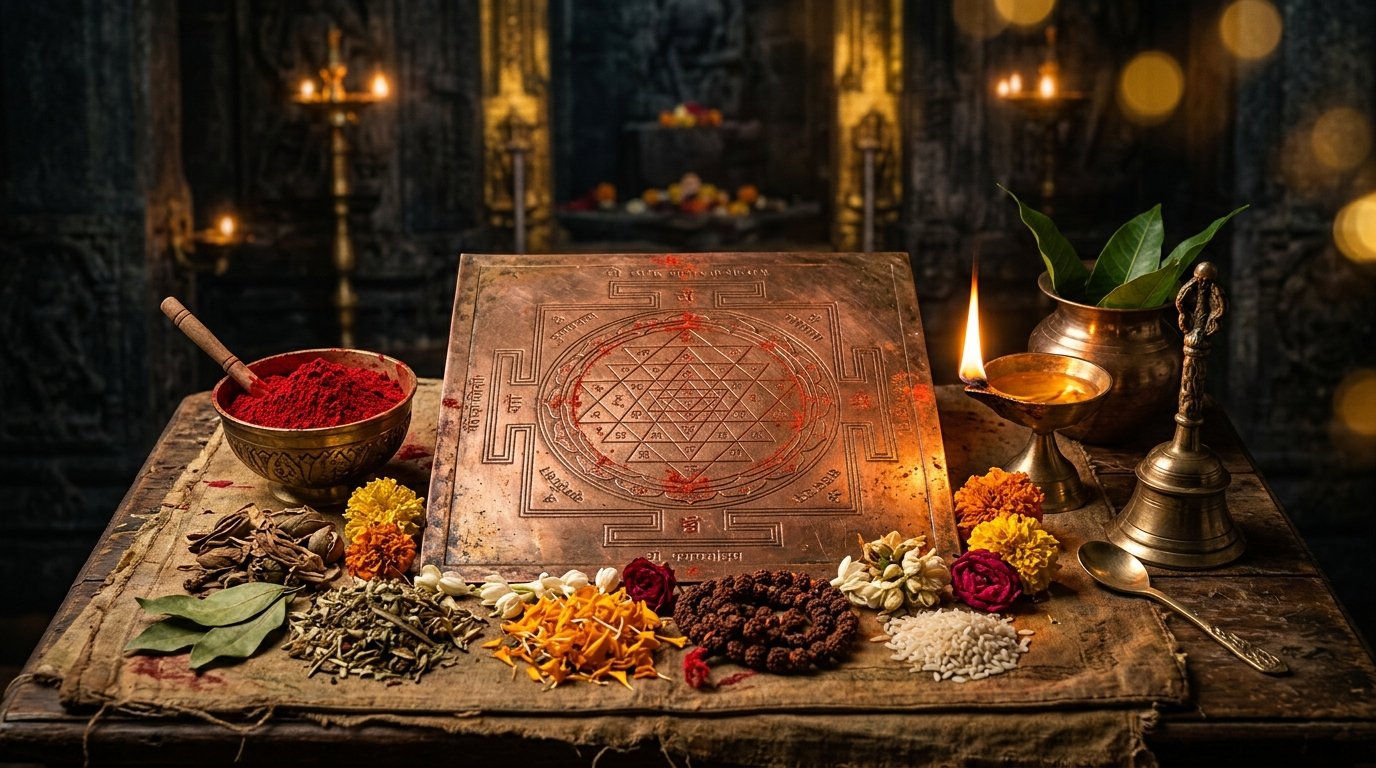
When seekers consult Acharya Viki Joshi regarding relationship harmony, the process begins with an astrological assessment of both charts. If mutual affection exists but is suppressed by planetary affliction, specific Vedic prayers, Kamakhya Devi stutis, and yantra sadhanas are recommended to pacify negative vibrations and cultivate emotional openness.